.png)
.png)
Across the country, community behavioral health providers are making impossible tradeoffs. Do we shorten sessions to see more people? Close referrals when waitlists stretch too long? Ask already-burdened staff to take on one more intake, one more callback, one more crisis? These are the impossible choices of a system that cannot keep pace with need. If we are serious about expanding access without compromising clinical integrity, we have to rethink how care begins and who, or what, carries the weight of getting someone through the door.
The behavioral health workforce shortage is not a temporary imbalance. Demand has outpaced provider growth for years, and community organizations are absorbing the strain. Hiring alone will not close the gap. We need leverage.
This is where AI agents enter the conversation. Not as novelty tools, and not as replacements for clinical judgment, but as infrastructure that can absorb high-volume, repeatable tasks that currently slow down access.
Unlike basic chat interfaces, AI agents can autonomously conduct structured intake, complete standardized screenings, triage based on risk, and support low-acuity follow-up. Some programs are also seeing meaningful increases in self-referrals, particularly among populations who may hesitate to engage through traditional channels.
When thoughtfully deployed, AI agents are particularly strong in three areas:
None of this replaces therapeutic alliance. It supports it. When clinicians begin a first session with accurate history and screening data already in place, they can spend their time building rapport rather than collecting basics.
New technology in behavioral health will be scrutinized more closely than many human processes that have existed for decades. That scrutiny is appropriate. Community providers hold deep relational capital. Any tool introduced into care delivery must strengthen, not erode, that trust.
Several guardrails matter.
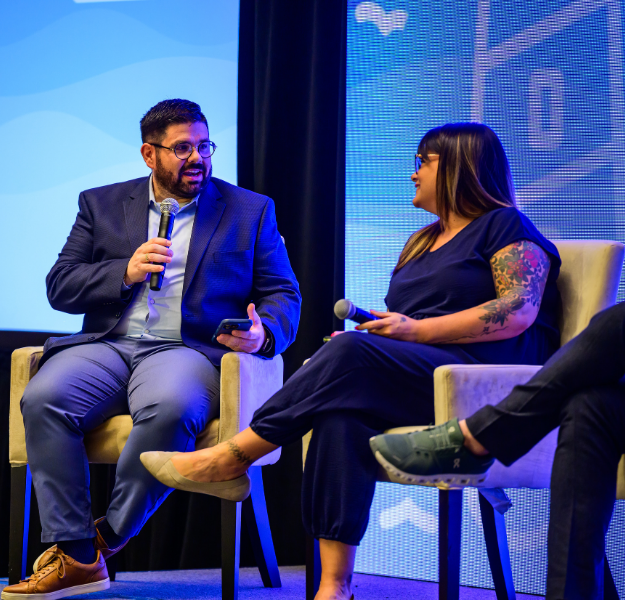
At the Behavioral Health Tech Conference, Signa Meyers, VP of Strategic Initiatives at Rogers Behavioral Health, noted that their AI system (Limbic) is held to a higher standard than any individual staff member. That mindset shaped implementation. The organization invested in training, established internal review committees, and communicated openly with patients about how the system worked.
The deeper opportunity is partnership.
When AI handles administrative load, clinicians can devote their full attention to the work only they can do: assessment, therapeutic relationship, and complex clinical judgment. When intake becomes accessible outside of business hours, working families can seek care without navigating phone trees. When triage is consistent and timely, high-risk individuals are identified earlier.
For community providers, this is not about technology replacing local expertise. It is about expanding the reach of that expertise. An AI agent can extend the front door of your clinic into evenings and weekends. It can translate and structure information in ways that reduce friction for individuals who might otherwise disengage.
High-quality behavioral healthcare that is accessible regardless of geography, income, or schedule will not be achieved by adding incremental capacity to an already strained system. It requires redesign and the support of AI.
Community organizations have always led through collaboration. The same principle applies here. Partner with technology developers who respect clinical standards. Engage staff early. Invite patient feedback. Treat AI not as a product to install, but as a capability to shape.
The voicemails on Monday morning will not disappear overnight. But if we are willing to thoughtfully integrate tools that expand access while safeguarding trust, we can begin to close the gap between need and care.




.png)